
Social Media Case Study
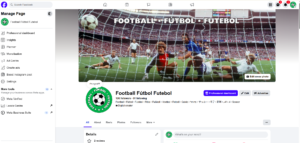
Football Fútbol Futebol – Facebook Page Overview
A social media case study for the Football Fútbol Futebol Facebook page that I created and regularly published posts and reels to between December 2024 to August 2025. I grew the audience to over 10,000 followers, and hoped that I’d be invited to the creator content monetisation program, which was in beta at the time and due to launch fully during 2025.
I used a combination of paid ads and organic posts to grow the audience. Posts were focused on nostalgic pub banter style comparisons of players from the 1980’s onwards and reels of goals from the same era. I used my own football knowledge assisted by AI tools to create engaging content at scale.
Despite getting plenty of engagement on posts, several of which achieved a reach far higher than my follower count, my applications to the monetisation program were unsuccessful. There were no official requirements to get accepted, so the process was rather arbitrary. After that, my only other realistic option for audience monetisation was through affiliate marketing, the main options being for football related apparel and memorabilia or for bookmaker account signups.
I rejected apparel and memorabilia as I felt it had very low profit potential. I rejected becoming a sports book affiliate because I didn’t want to encourage people to get involved in gambling and profit off their losses, which is where the commission payments come from, as this didn’t sit right with me from an ethical standpoint.
Ultimately, I decided that my time would be better spend on other projects so I decided to hang up my boots and blow the whistle for full time.
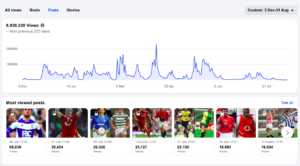
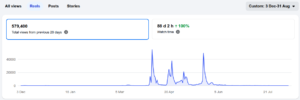
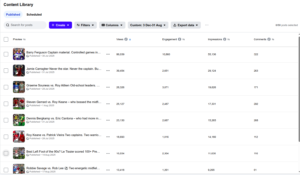
Page Statistics & Post Performance
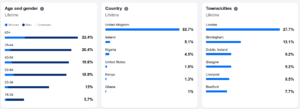
Project Information Summary
Target audience: UK-based football fans, typically male aged 35+
Audience acquisition strategy: Paid ads on Meta, organic posts, reels.
Content Strategy: Regular posts comparing players, teams, and managers from the 1980s onwards, create reels of goals, engage with comments to encourage interaction.
Content creation process: Source images from Pinterest, extracted goal footage from dvds and used CapCut to create goals reels, used AI tools for the written content (ChatGPT) and background music for reels (Suno). Canva to create the ads, posts and reels. Meta business suite and Facebook page management tools to schedule posts and manage the day to day running of the account.
Time requirements: Mostly for content creation – To create and schedule 200+ posts for a month took 10 hours. Reels were more time intensive as I needed to extract footage from dvds, create the reel in CapCut, and use Suno to create unique background music. Once content was posted, account management was around 30 minutes a few days per week. I’d estimate the monthly time required total was 24 hours.
Key Post Performance Observations
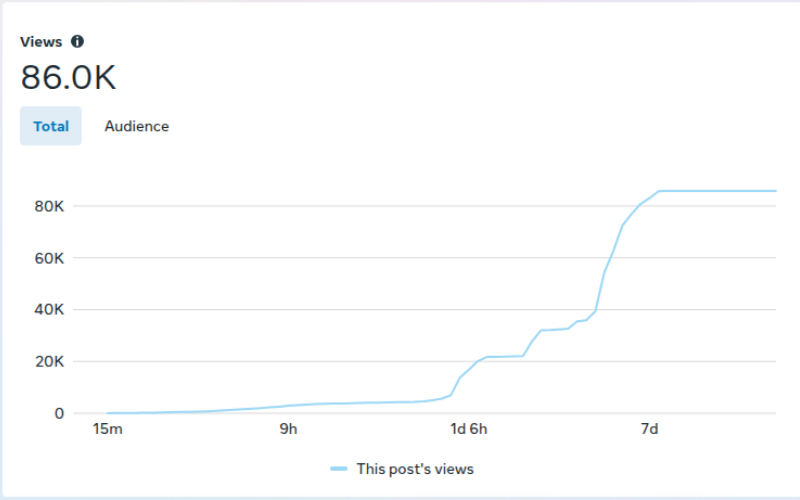
The algorithm tests content on a small group first to determine whether the post will be shown to a wider audience. For example, a post involving Manchester United’s legendary Danish goalkeeper Peter Schmeichel generated some good initial engagement and then I started to more and more comments from users in Denmark, despite me having virtually no followers in Denmark.
There is a short time-window to get traction. A post’s life-span is typically a few days, and perhaps a week at most. So regular posting is a must.
You need a compelling hook. Posts involving controversial players or established rivalries got early engagement and were then pushed out to a wider audience. The clearest examples of this were posts involving Glasgow Old Firm rivals Rangers and Celtic. Posts involving Liverpool or Manchester United also did well. The best hooks were tended to be based on the club rivalries, but posts about popular players worked well too. Another area that proved fruitful were smaller clubs who had a few seasons of doing better than usual with fans reminiscing about the glory years and the key players who played an important role in their success.
Main Learning Takeaways
| Content creation is very time consuming, even when using AI to help scale production. |
| Social media accounts need a steady stream of content to maintain audience engagement. |
| Relying on creator reward programs for monetisation is not a reliable way to build a sustainable business. |
| Not establishing a viable monetisation strategy before starting the project was a mistake. |
| Not choosing to develop content for an audience that had a natural method of monetisation was another mistake. There simply are not very many products or services that I could promote (other than gambling) that would appeal to the audience. Contrast that with a niche like wellness that has an audience who are more amenable to buying products that will help them pursue their interests in healthy lifestyles and a wide range of products or services to promote. |
| Being able to see all the comments from the back end was very eye-opening. Not only was there a small but significant level of unpleasantness amongst the comments, but I regularly received scam messages as the page owner from people impersonating Facebook support. |
| Facebook is pay to play – audience growth was predominantly done through paid ads. |